Think about the last time you felt truly, deeply comfortable. Were you on a sleek leather sofa? Or were you buried under a mountain of soft blankets, on a cushy, inviting couch, wearing your favorite worn-in sweats? Our bodies don’t respond to visual aesthetics first. They respond to touch. They crave comfort, softness, warmth.
This is the domain of the textile alchemist. While everyone else is obsessing over paint colors and furniture shapes, you understand the secret power layer: fabric and texture. This isn’t about buying throw pillows. It’s about using textiles as the primary tool to build atmosphere, define style, and create a sensory sanctuary. It’s the difference between a home that is photogenic and a home that is huggable. Let’s learn to weave comfort into every corner.
Part 1: The Philosophy: Texture is Emotion
Before we talk fibers, let’s talk feeling. Every texture communicates a non-verbal message to your nervous system.
- Soft, Fluffy, and Knitted (Chenille, faux fur, bouclé): Signals “safety, comfort, rest.” It lowers cortisol. It’s the feeling of being cared for.
- Crisp, Cool, and Smooth (Linen, high-thread-count cotton, polished cotton): Signals “clean, fresh, calm, orderly.” It feels breathable and serene.
- Nubby, Rough, and Natural (Burlap, heavy wool, jute, seagrass): Signals “grounded, authentic, organic, strong.” It connects us to the earth and feels enduring.
- Luxurious, Draping, and Smooth (Velvet, silk, high-quality leather): Signals “opulence, intimacy, warmth, sophistication.” It absorbs light and invites you to sink in.
- Shiny, Slick, and Synthetic (Patent leather, vinyl, polyester satin): Signals “modern, energetic, cool, sleek.” It reflects light and can feel stimulating or, if overused, cold.
A room that uses only one or two of these textures will feel flat or overwhelming. The alchemist’s skill is in orchestrating contrast to create a rich, layered, and emotionally balanced space.
Part 2: The Textile Library: Know Your Fibers
To mix like a pro, you need to know your materials.
The Natural All-Stars:
- Cotton: The versatile workhorse. Can be crisp (percale sheets) or soft (flannel). Breathable, durable, easy to care for.
- Linen: The king of effortless texture. Wrinkles beautifully, gets softer with every wash, and is supremely breathable. It brings a relaxed, organic elegance.
- Wool: The ultimate insulator (warm in winter, cool in summer). Naturally flame-resistant and durable. Think chunky throws, fine merino blankets, and durable carpets.
- Silk: The epitome of luxury. Incredibly strong for its weight, with a beautiful luster and drape. Use it in small, impactful doses (a pillow, a bed scarf).
- Leather (and its cousin, Suede): Develops a glorious patina over time. Leather is durable and sleek; suede is immediately soft and tactile.
The Natural Weaves & Fibers:
- Jute & Sisal: Tough, textured, and natural. Perfect for durable, earthy area rugs. They feel great underfoot and add instant organic texture.
- Rattan & Cane: Woven fibers that add visual and tactile pattern. Great for furniture, baskets, and light fixtures.
- Bouclé: A looped yarn that creates a soft, nubby, highly tactile fabric. It’s the texture of the moment for a reason—it’s incredibly inviting.
The Performance Players (Often Blends):
- Performance Velvet: Often a cotton-poly blend treated to be stain-resistant and durable. Perfect for families or high-use areas where you want the luxe feel without the anxiety.
- Outdoor Fabrics: Solution-dyed acrylics and polyesters that are fade-proof, water-resistant, and easy to clean. No longer just for patio furniture—use them indoors for ultimate peace of mind.
Part 3: The Alchemist’s Rules: How to Mix Textures Without Chaos
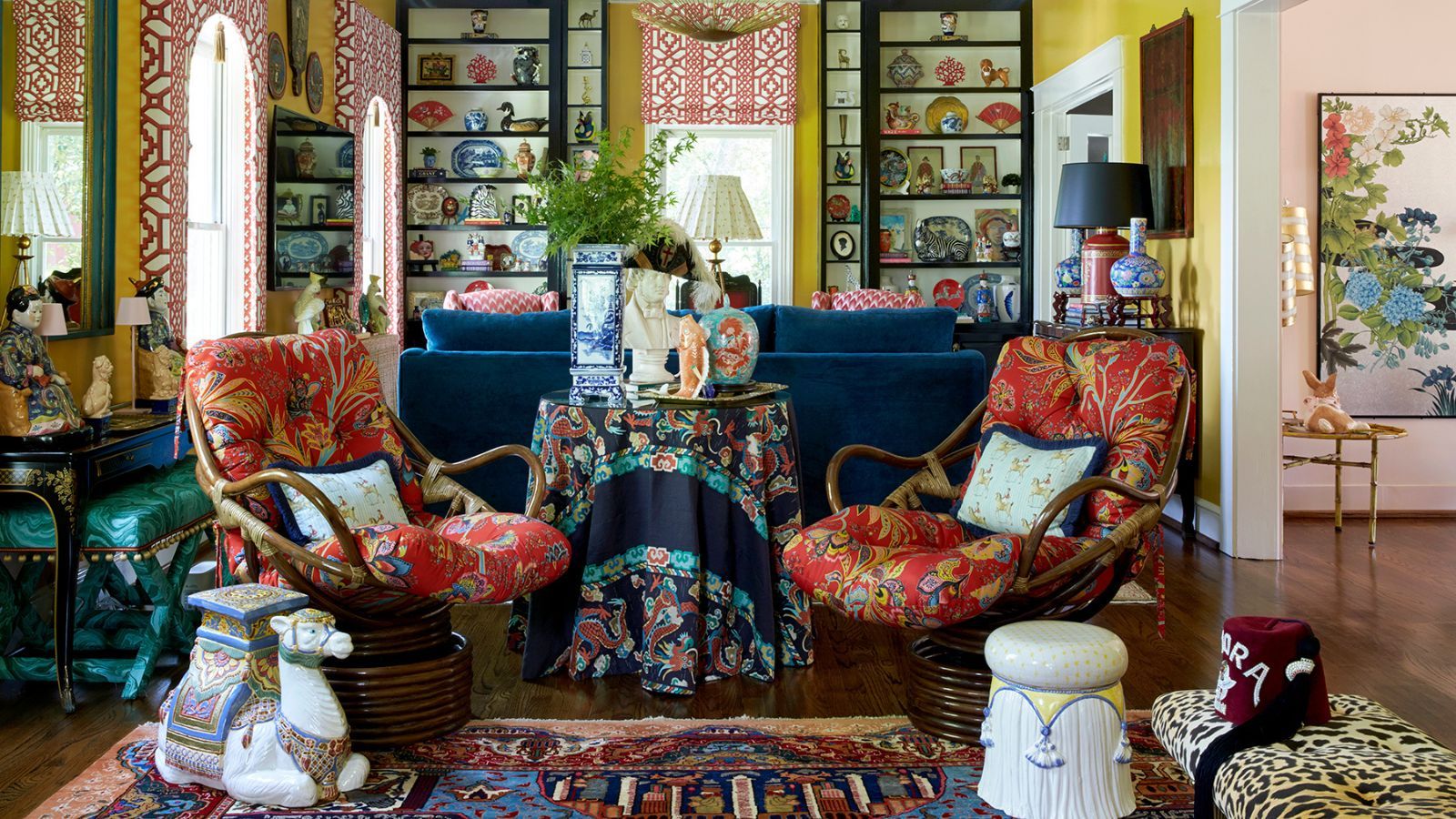
- The Rule of Three: In any vignette (a sofa, a bed, a reading nook), aim for at least three distinct textures within arm’s reach. Example: A linen sofa, with a chunky wool throw, and velvet pillows.
- Vary the Scale: Mix large-scale texture (a cable-knit blanket) with medium-scale (a ribbed velvet) and fine-scale (a smooth silk pillow). This creates depth.
- Balance “Hard” and “Soft”: A room with only hard surfaces (wood, stone, metal) feels cold. A room with only soft textures can feel cluttered and heavy. The alchemy is in the balance. Pair a sleek leather chair with a sheepskin rug. Put nubby pillows on a smooth linen sofa.
- Use Texture to Define Zones: A large, plush rug under the seating area defines it as the “soft zone.” A flat-weave jute runner in a hallway defines a path. Texture can architect your space without walls.
- Lead with a “Textural Hero”: Choose one standout textural piece per room—a massive bouclé swivel chair, a dramatic faux-fur throw, a wall hanging with incredible weave. Build the rest of the room’s textures to complement it.
Part 4: The Coziness Blueprint: Room-by-Room Applications
The Living Room: The Tactile Hub
- The Sofa is Your Canvas: Choose a durable, comfortable base fabric (performance velvet, linen, wool blend).
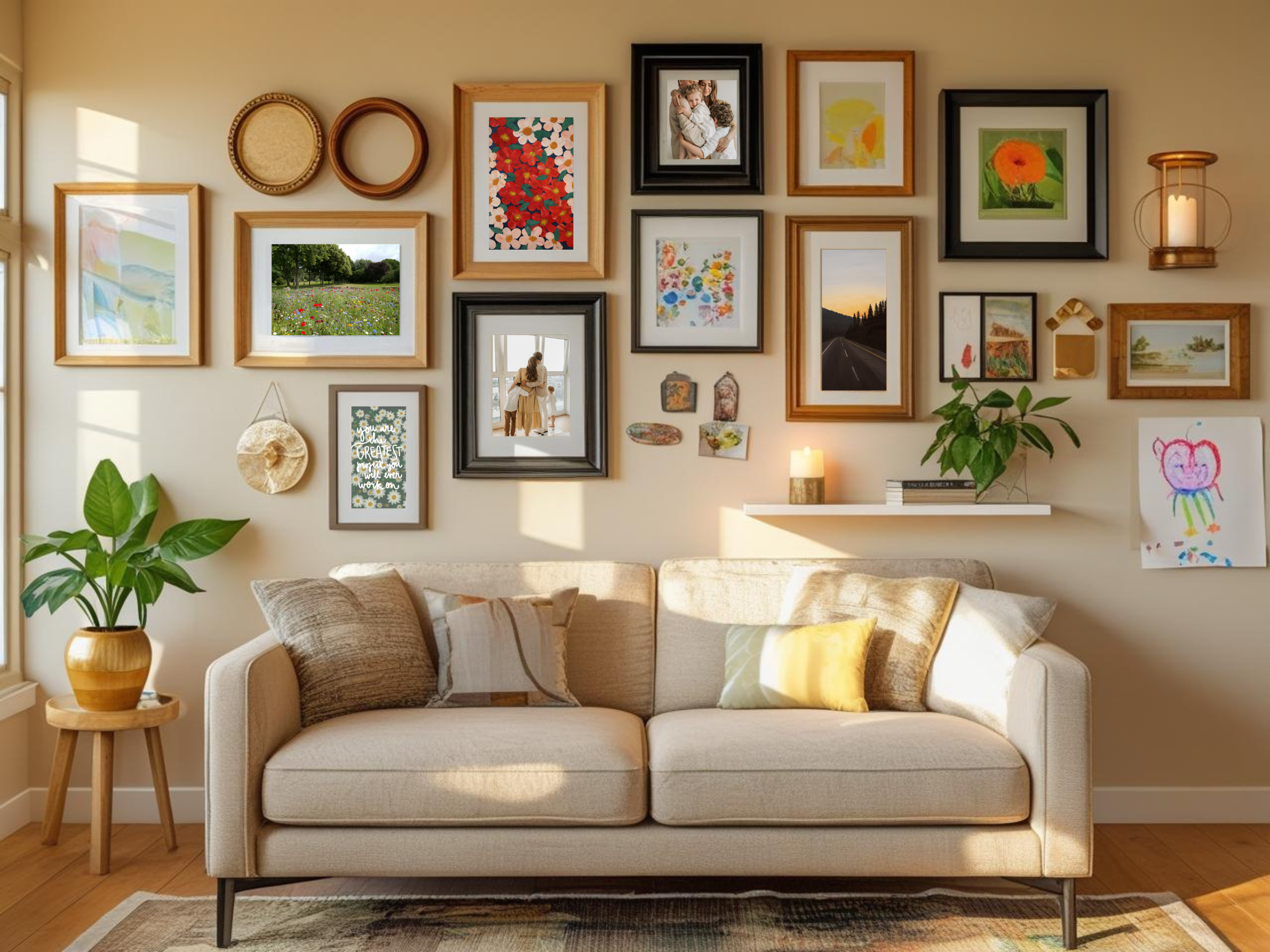
- The Layering Ritual: Start with a large area rug (jute for texture, wool for softness). Add a throw blanket (chunky knit or fuzzy faux fur) draped over the arm. Then, pillows: mix two large ones in your hero texture (bouclé, velvet) with two smaller ones in contrasting textures (linen, leather, a patterned cotton).
- Window Wisdom: Layer curtains! A sheer linen inner layer for soft light diffusion, with a heavier textured wool or velvet drape on the outside for warmth and acoustics.
The Bedroom: The Sensory Sanctuary
- The Bed is an Altar of Touch: This is where you go all-in.
- Sheets: High-thread-count cotton (crisp) or linen (breathably soft).
- Duvet Insert: A fluffy down-alternative for cloud-like comfort.
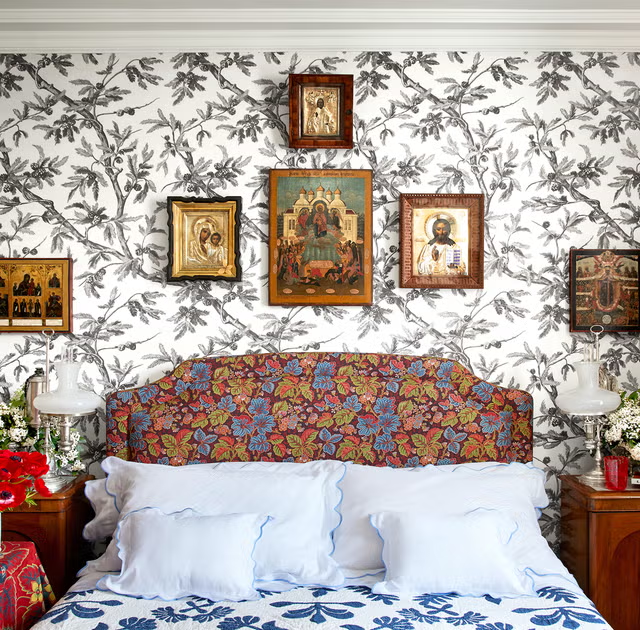
- Duvet Cover or Quilt: Your top textural layer. A matelassé quilt (raised pattern), a crisp cotton cover, or a soft, washed linen one.
- Pillows: Standard sleeping pillows, plus decorative shams in a contrasting texture (velvet, silk).
- The Throw: One beautiful, drapey throw (a cable knit, a faux fur) at the foot of the bed.
- The Floor: A supremely soft rug (a high-pile wool or a plush synthetic) that your feet sink into when you get out of bed.
The Kitchen & Dining: Warmth in the Hardscape
- Add Softness to Hard Surfaces: A woven rag rug in front of the sink. Fabric window treatments (even a simple linen roman shade). Textured seat cushions on dining chairs.
- Tactile Tools: Display beautiful wooden cutting boards, a ceramic utensil crock, woven bread baskets. The tools of the space become part of the textural story.
Conclusion: The Home That Embraces You
Textile alchemy is the art of building a home for your senses, not just your eyes. It’s what transforms a house from a series of styled rooms into a perpetual, gentle embrace. It’s the reason you sigh with relief when you walk in, why guests settle in and stay longer, and why you feel truly at home.
Start with your favorite spot. What are you touching? Is it inviting? Add one new layer of intentional texture this week—a throw, a pillow, a rug. Notice how the energy of the room softens and deepens.
Forget trying to make your home look like a magazine. Focus on making it feel like a sanctuary. Weave, layer, and touch your way to a space that doesn’t just house you, but holds you. That’s the true magic.
FAQs: Your Textile Alchemy Questions
Q1: I have kids/pets. How can I have texture without it being destroyed?
A: This is where performance fabrics are your best friend. The market has exploded with amazing options:
- Performance Velvet & Bouclé: Stain-resistant, durable, often crypton-treated.
- Indoor/Outdoor Rugs: Made from polypropylene, they are stain-proof, fade-proof, and can be hosed off. The texture is improving dramatically.
- Washable Everything: Machine-washable slipcovers, washable rugs (Ruggable), and washable blankets. Embrace the idea of durable, renewable layers you can easily clean.
- Leather: Wipes clean easily and develops a family-friendly patina.
Q2: I love a minimalist look. Won’t lots of texture make it feel busy?
A: Not at all! In fact, texture is essential for good minimalism. Without it, a minimalist space can feel cold and sterile. The key is restrained, monochromatic texture. Think a room with a white linen sofa, a creamy bouclé pillow, a nubby off-white wool throw, and a jute rug. All the texture, all within a tight color palette. It creates immense visual interest and warmth without any visual clutter.
Q3: How do I clean and maintain all these different textiles?
A:
- Read the labels. Always.
- Vacuum upholstery and rugs regularly with an upholstery attachment to prevent ground-in dirt.
- Rotate and flip cushions and rugs to ensure even wear.
- Treat stains immediately with the appropriate cleaner (water-based for protein stains, solvent-based for oil).
- Consider professional cleaning for large rugs and upholstery every 1-2 years. For precious items (antique rugs, silk), always consult a professional.
Q4: What’s the biggest mistake people make with texture?
A: Using textures that are all the same “weight” or “pile.” A room with a shag rug, a fuzzy blanket, and a chenille pillow will feel heavy, static, and one-note. The magic is in contrast: the shag rug (heavy) with a smooth leather chair (light) and a crisp linen pillow (crisp). That’s dynamic.
Q5: What’s a simple, high-impact textural upgrade I can make today?
A: Swap out your throw blanket. If you have a thin, acrylic blanket on your sofa, replace it with one that has real tactile presence. A chunky, hand-knit wool throw. A nubby, heavyweight cotton blanket. A soft, drapey faux fur. Drape it artfully over the arm of your sofa or the back of a chair. This one change will instantly add a layer of coziness and sophistication that you can feel the moment you walk into the room.