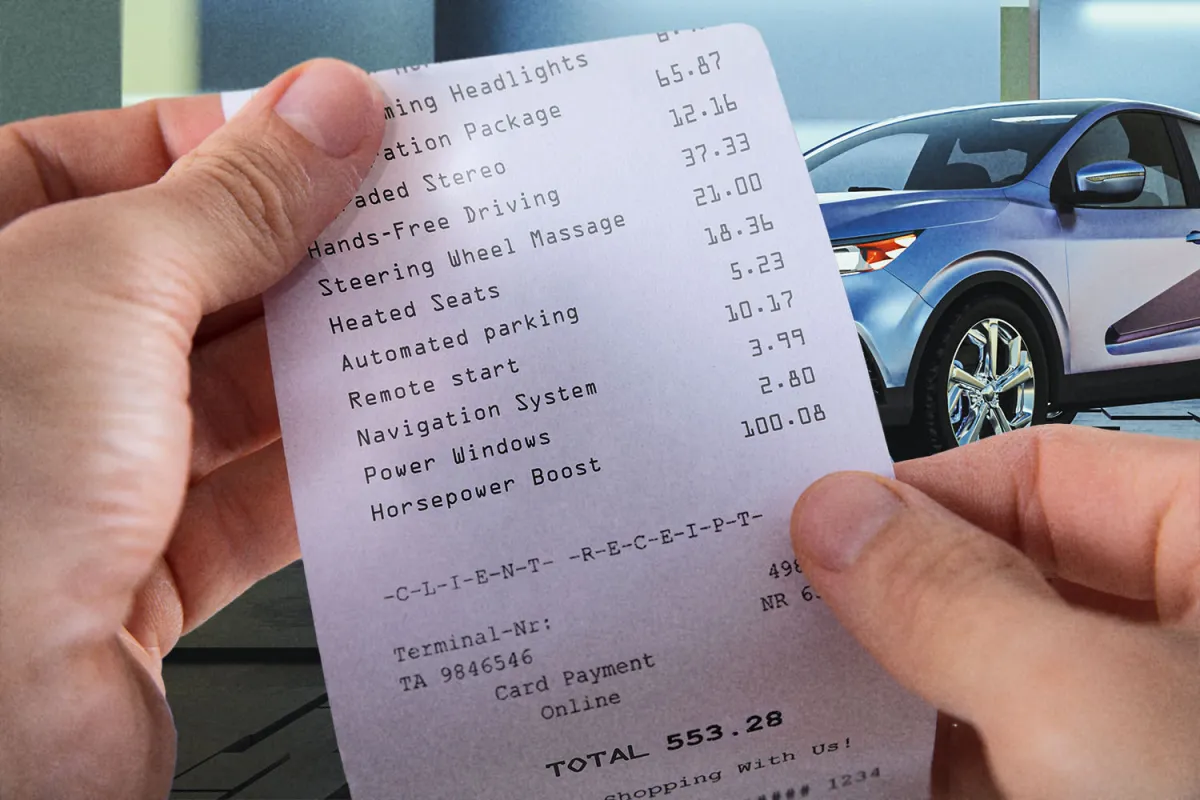
Remember when you bought a car? You negotiated a price, signed the papers, and drove away owning a complete, functional machine. The relationship was simple: you maintained it, and it served you. But open the app for your late-model car today. You might see enticing offers: *”Unlock Heated Seats: $15/month”* or *”Boost Performance: $100/month”* or *”Enable Full Self-Driving Capability: $199/month.”*
Welcome to the subscription economy of the automobile. The industry has discovered a powerful, unsettling new truth: a connected car is not just a product to be sold once; it’s a rolling platform for recurring revenue. This shift from ownership to “usership,” from a capital expense to an operational one, is fundamentally changing what it means to own a car. It’s not just about getting from A to B anymore; it’s about what features you’re willing to rent along the way.
Let’s pull into the dealership of the future and read the fine print.
Part 1: The Three Tiers of the Automotive Subscription
Not all subscriptions are created equal. They come in layers, each more embedded than the last.
Tier 1: The Convenience Subscription (The “Nice-to-Have”)
This is for services that are digital and cloud-based. They’re easy to implement and cause the least consumer backlash.
- Examples: Connected navigation with live traffic, stolen vehicle tracking, remote start via app, Wi-Fi hotspot.
- The Pitch: “Enhanced convenience and peace of mind.”
- Reality Check: These features often rely on the car’s built-in cellular connection, which costs the manufacturer money to maintain. The subscription covers that cost—and generates profit.
Tier 2: The Hardware Unlock Subscription (The “Gotcha” Model)
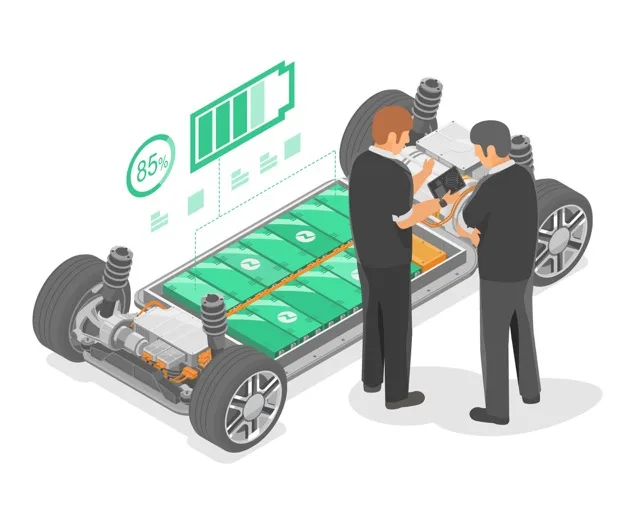
This is where it gets controversial. This model involves hardware physically installed in every car, but the software to activate it is locked behind a paywall.
- Examples: Heated seats, steering wheels, and mirrors. Advanced lighting systems (matrix LED headlights). Performance boosts (increasing horsepower via software). Increased battery capacity in EVs (where a larger battery is installed but software-limited).
- The Pitch: “Flexibility! Only pay for what you need, when you need it. It makes the base car more affordable.”
- Reality Check: This feels like double-dipping. You, the buyer, have already paid for the physical component—the heating element, the more powerful motor, the larger battery—as part of the car’s base price. The manufacturer is now charging you a recurring fee to use what you already own. It’s the automotive equivalent of buying a house with a bedroom you can only enter after a monthly fee.
Tier 3: The Capability Subscription (The “Future”)
This is the frontier: subscribing to the car’s core functionality itself.
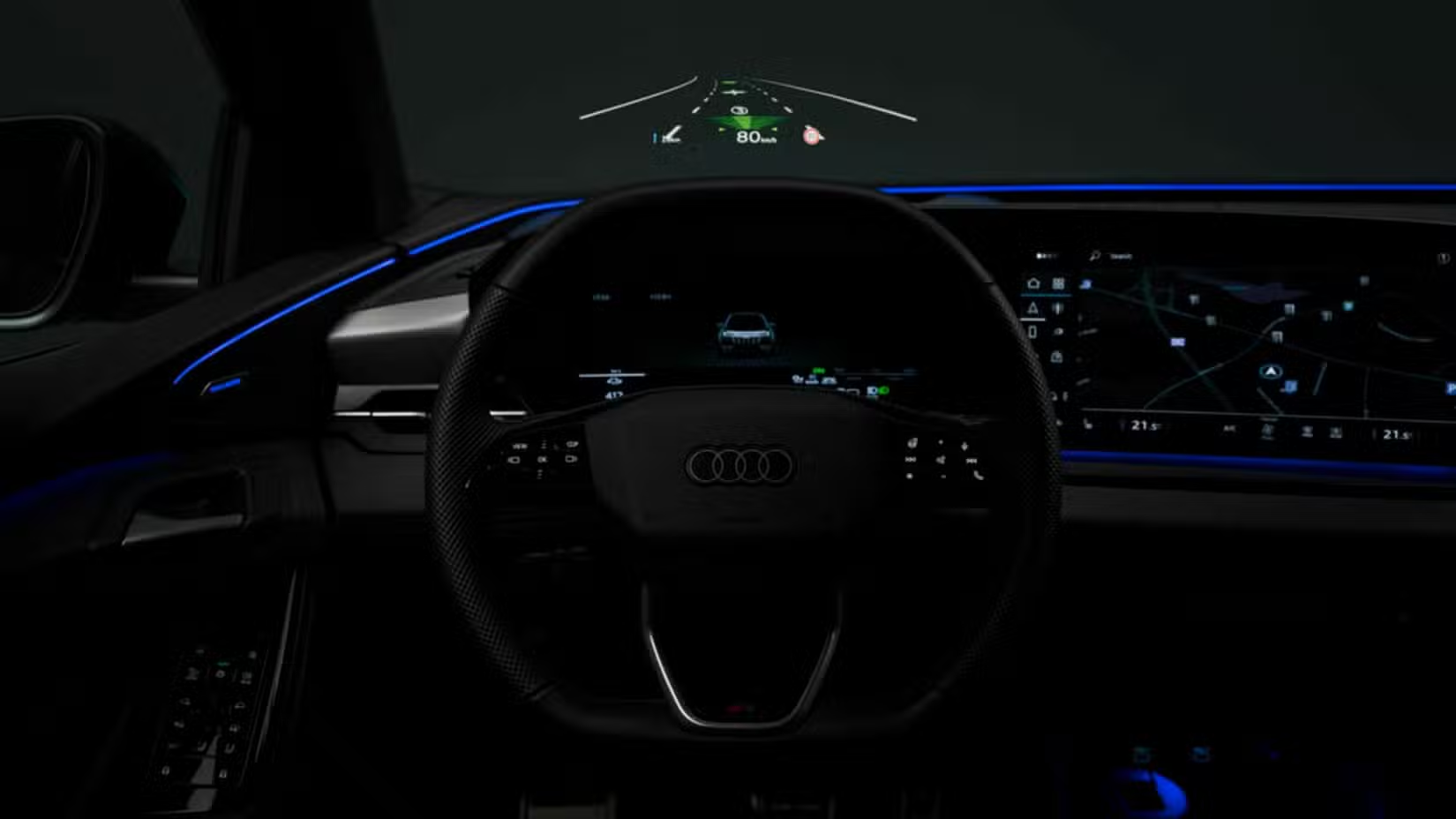
- Examples: Full Self-Driving (FSD) packages. Advanced driver-assist systems (like GM’s Super Cruise or Ford’s BlueCruise) that require ongoing map and software updates.
- The Pitch: “Access to cutting-edge, improving technology without a huge upfront cost.”
- Reality Check: This can make sense for rapidly evolving tech like autonomy, where the system genuinely improves over time with new data and algorithms. But it also means a critical safety feature—the car’s ability to drive itself—could be disabled if you stop paying, a sobering ethical dilemma.
Part 2: The Engine Behind the Trend: Why This is Happening
Follow the money. For manufacturers, subscriptions represent a goldmine of predictable, high-margin revenue.
- Wall Street Loves Recurring Revenue: A one-time car sale is a spike. A subscription is a smooth, predictable river of cash that boosts company valuations.
- Offsetting EV Costs: The transition to electric vehicles is astronomically expensive. Subscriptions create a new revenue stream to fund R&D.
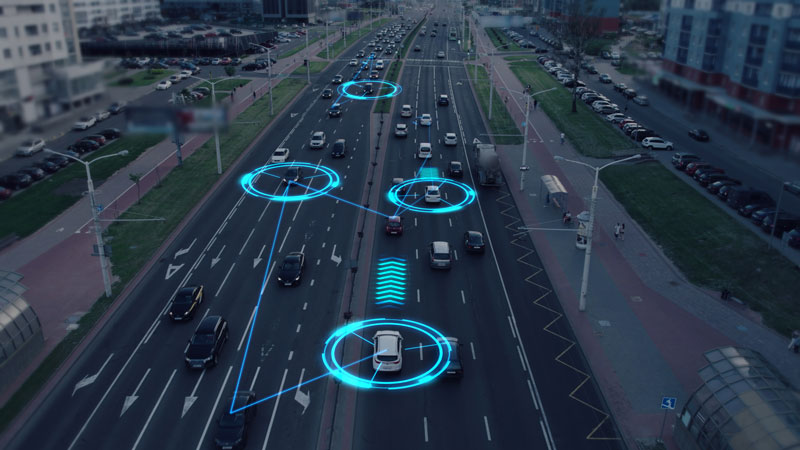
- The “Connected Car” is the Enabler: Modern cars are rolling computers with constant internet connections (Telematics Control Units). This allows for remote activation, deactivation, and billing, making the subscription model technically effortless for the OEM.
Part 3: The Consumer Dilemma: Convenience vs. Control
The Potential Upsides:
- Lower Upfront Cost: In theory, the base car could be cheaper if you’re not paying for all the hardware upfront.
- Flexibility: You could activate heated seats only for the winter months.
- Access to Upgrades: You could “try” a high-performance mode or a new self-driving feature without a permanent, costly upgrade.
The Significant Downsides:
- The Death of True Ownership: You no longer own a complete product. You own a hardware shell with features held hostage by software.
- “Death by a Thousand Cuts”: A $10/month subscription for navigation, $15 for heated seats, $20 for remote start, $100 for driver-assist… It adds up fast, potentially exceeding the one-time cost of the options over the life of the car.
- Resale Value Chaos: What happens when you sell a car with subscription-locked features? Does the new owner have to start new subscriptions? Who owns the rights?
- Privacy & Control: To manage subscriptions, the car must constantly “phone home,” sharing vast amounts of data about your location and usage with the manufacturer.
Part 4: The Backlash and The Future
Consumers are pushing back. When BMW tried to charge $18/month for Apple CarPlay (a feature that uses the customer’s own phone), the outrage was swift and severe. They quickly reversed course.
The future of this model hangs in the balance and will likely be a hybrid:
- Some features will remain subscription-only (cloud-based services, major autonomy packages).
- Other features will likely revert to one-time purchase options due to consumer pressure, especially for hardware already in the car.
- Transparency will be key. Manufacturers will be forced to clearly differentiate between a “service fee” (for ongoing connectivity/data) and a “hardware unlock fee” (for something you already bought).
Conclusion: What Are You Really Buying?
The subscription car forces us to ask a fundamental question: What does it mean to own something in the digital age?
When you buy a car with subscription-locked features, you are not buying an asset. You are entering a long-term service agreement with a company that retains ultimate control over the product’s functionality. The steering wheel is in your hands, but the key is in their server.
As a buyer, your power is in your wallet and your voice.
- Read the Window Sticker… Digitally: Understand exactly what features are included and which require ongoing payments.
- Vote with Your Dollars: Support manufacturers who offer fair, transparent ownership models.
- Consider Long-Term Cost: Calculate the total 5-year cost of the subscriptions you want. Does it still look like a good deal?
The open road has always symbolized freedom. Let’s ensure the future of the car doesn’t turn that freedom into a monthly installment plan.