Think about the last time you drove. Now, imagine a silent, invisible passenger in the passenger seat, meticulously taking notes. It records your hard brakes, your rapid accelerations, the music you played, the calls you made, the routes you took, and even your seatbelt usage. This passenger isn’t human. It’s your car’s telematics system, and it’s generating a continuous, intimate stream of data about you called “data exhaust.”
While you’re focused on the road, your car is focused on you. Every modern vehicle, especially connected and electric ones, is a rolling data factory. We willingly hand over location data to maps, but the depth and breadth of information now being harvested go far beyond “where.” It’s painting a high-resolution portrait of how you drive, how you live, and who you are. And this data is becoming the most valuable commodity in the automotive industry. Let’s lift the hood on your digital shadow.
Part 1: The Data Harvest: What Your Car Knows (That You Might Not)
Your car’s sensors and computers collect data in several buckets:
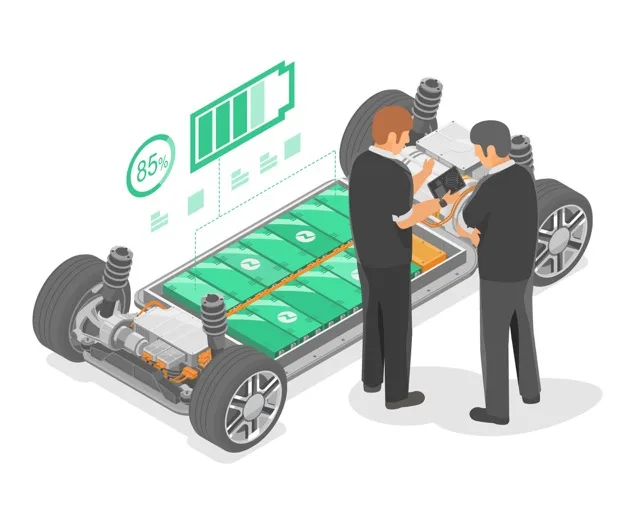
- Vehicle Performance Data: Speed, acceleration, braking force, steering angle, battery charge/discharge cycles (in EVs), tire pressure, engine temperature, fluid levels. This is used for maintenance alerts and, increasingly, for determining your driving “score.”
- Driver Behavior Data: This is the intimate stuff. Hard braking events, rapid acceleration, cornering G-forces, hands-on-wheel detection, seatbelt use, even eye-gaze tracking (in cars with driver-monitoring cameras). Insurers and automakers call this “telematics.”
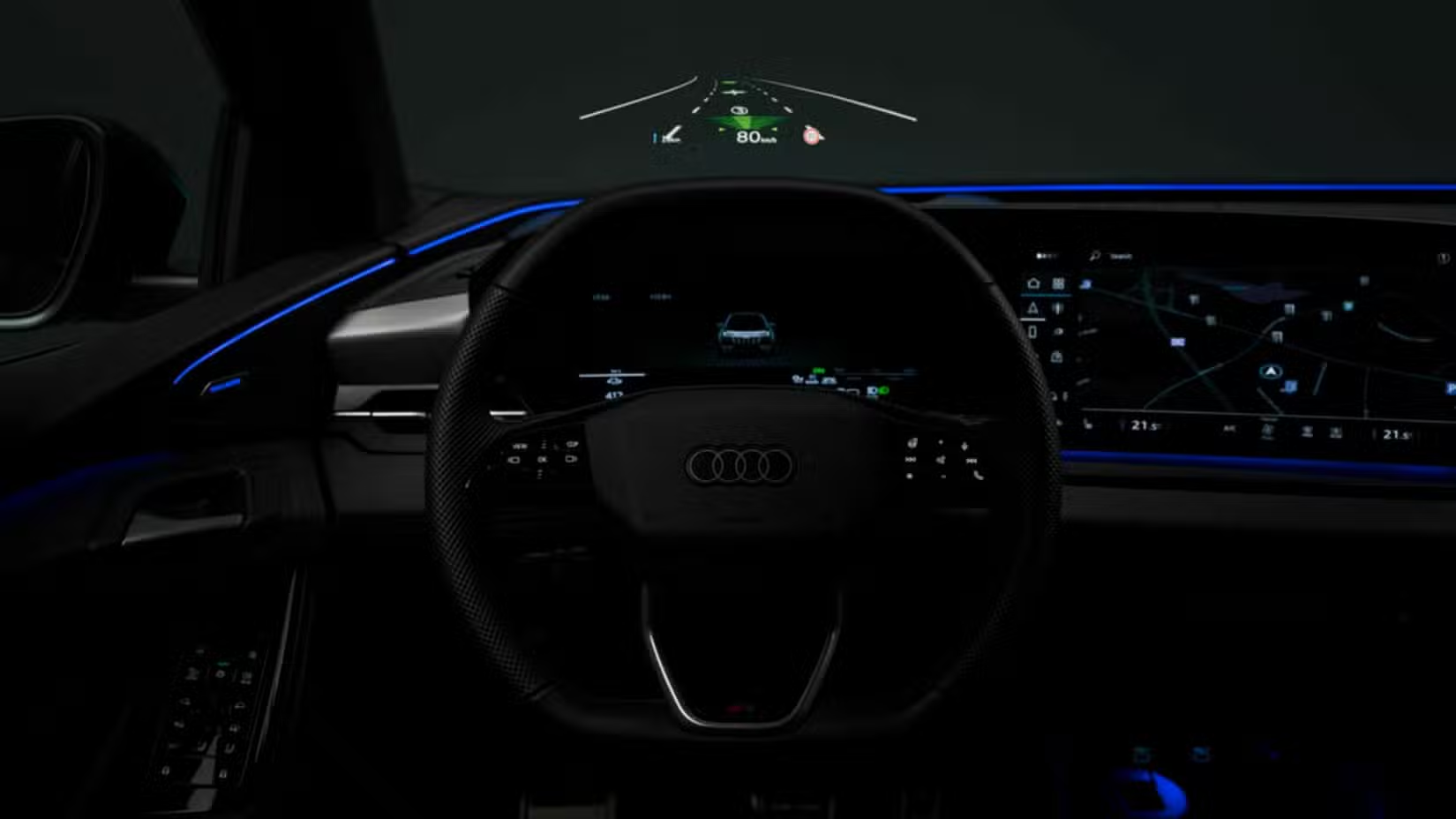
- Infotainment & Biometric Data: Your contacts, call logs, text messages (if synced), music and podcast preferences, voice command recordings, and destination history. Newer cars with in-cabin cameras can gauge driver alertness, emotional state, and even identify passengers.
- Location & Travel Data: Not just your destination, but your entire route, frequent stops (your gym, your workplace, your therapist’s office), idle times, and average trip length.
- Surroundings Data: Data from external cameras and sensors used for safety features also captures images and video of everything around you—other cars, pedestrians, street signs, and the inside of your garage.
Individually, these data points seem harmless. Aggregated and analyzed, they form a digital twin of your life on the road.
Part 2: The Buyers: Who Wants Your Driving Life and Why?
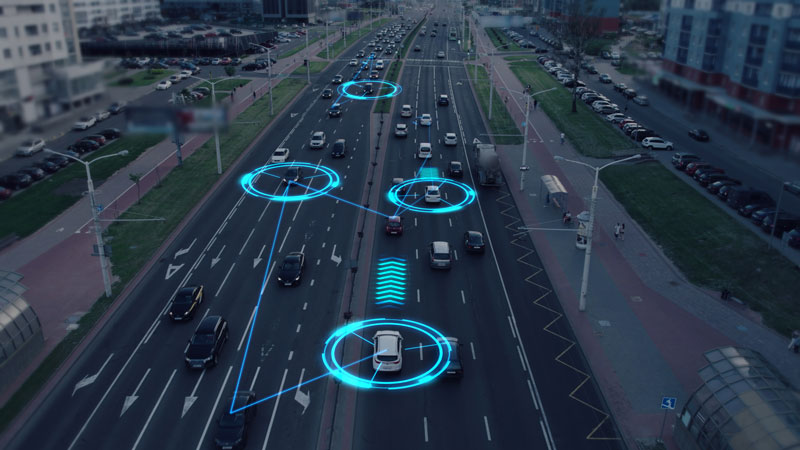
This data exhaust isn’t just sitting in your car’s computer. It’s transmitted, usually via a built-in cellular connection (the telematics control unit), to the manufacturer’s cloud. From there, it flows to a complex ecosystem of buyers.
- The Automakers Themselves:
- Product Development: To see how cars are actually used, what fails, and what features are ignored.
- Predictive Maintenance: To alert you (or your dealer) before something breaks, creating a service opportunity.
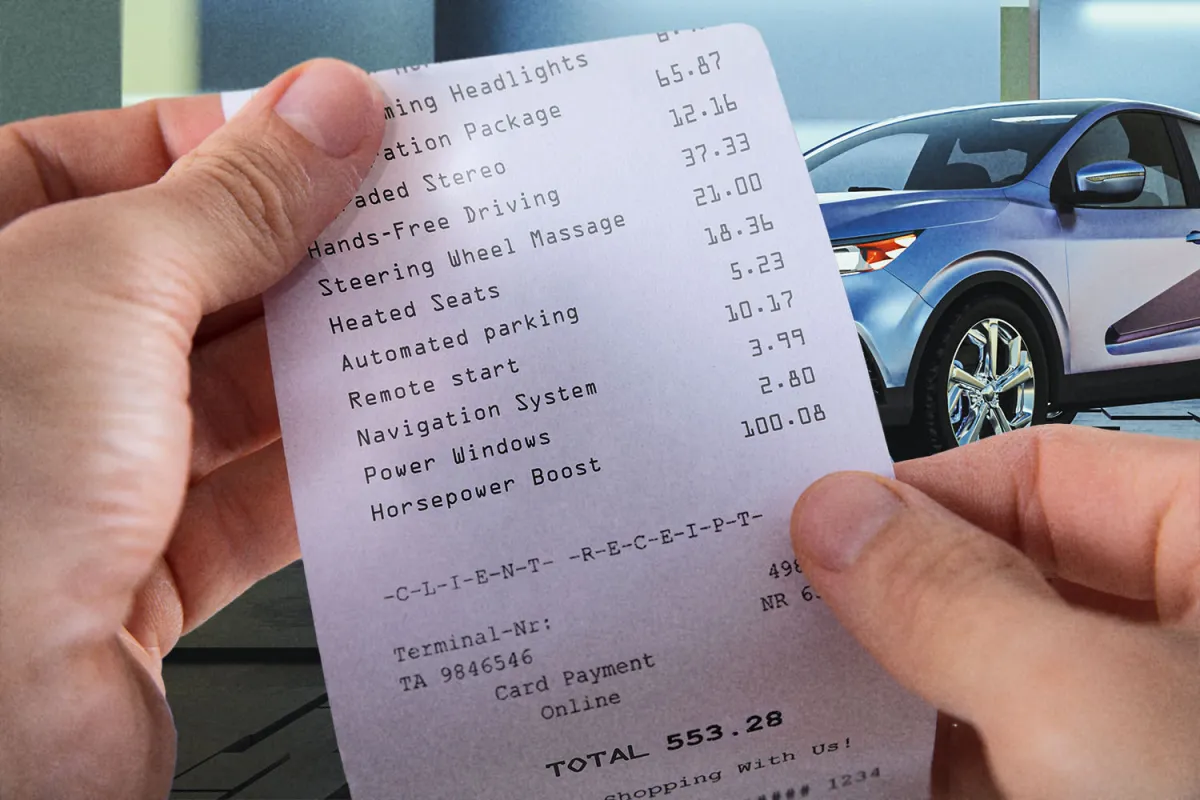
- Feature Development & Marketing: To develop new subscription features (e.g., “Your data shows you brake hard often; our performance brake upgrade subscription could help!”) and target you with hyper-specific ads.
- Insurance Companies (The “Usage-Based Insurance” Revolution):
This is a massive shift. Instead of basing your premium on broad demographics, insurers want to base it on your actual driving behavior. Programs like Allstate’s Drivewise, State Farm’s Drive Safe & Save, or GM’s OnStar Insurance offer a discount in exchange for monitoring your data. A hard brake at an intersection could raise your rate. Drive only on sunny Sundays? You might pay less. It’s personalized, but it’s also pervasive surveillance. - Third-Party Data Brokers & Advertisers:
Your anonymized and aggregated data can be sold into the vast data broker marketplace. It can be combined with your online browsing, credit card purchases, and social media activity to create scarily accurate profiles for targeted advertising. The fact that you drive to a luxury gym every morning and a golf course on weekends is a marketer’s gold. - Law Enforcement & Government Agencies:
Data can be subpoenaed. In criminal or civil cases, your car’s data could be used to reconstruct accidents, establish timelines, or prove speed violations. GM’s OnStar has a long history of providing data to police.
Part 3: The Privacy Parking Lot: The Gray Areas and Risks
The legal and ethical landscape here is a patchwork. Your car’s privacy policy is likely buried in a 50-page document you clicked “Agree” on at the dealership.
- “Anonymized” Data is a Myth: It’s notoriously easy to de-anonymize location data. Knowing a car leaves a specific house every morning at 7:30 AM and returns to it every evening is often enough to identify the owner.
- The Cybersecurity Risk: A connected car is a computer. If a hacker can access its data stream, they don’t just get your passwords; they get your real-time location and daily routine, a terrifying stalking risk.
- The “Function Creep” Problem: Data collected for a benign purpose (e.g., improving safety systems) can easily be repurposed for invasive profiling or revenue generation later. You consented to one thing, but the terms can change.
- No “Right to Delete”: Unlike some data privacy regulations (like GDPR or CCPA), there’s often no clear way to demand a car company delete the driving history it has collected on you.
Part 4: Taking Back the Wheel: How to Manage Your Data Exhaust
You can’t stop the data collection entirely if you want to use modern features. But you can manage it.
- Read the Privacy Policy (Really): Search for the document from your automaker. Look for keywords: “data sharing,” “third parties,” “telematics,” “marketing.” See if you can opt out. Often, the option is buried in the settings of your car’s infotainment system or the companion smartphone app.
- Limit Connectivity: Don’t pair your phone’s contacts and messages if you don’t have to. Use a standalone GPS like a Garmin instead of the built-in connected navigation. Turn off Wi-Fi and Bluetooth when not in use.
- Say No to “Usage-Based Insurance”: Unless the discount is substantial and you are a exceptionally low-risk driver, consider the trade-off. You are trading a huge amount of privacy for a potential small financial gain.
- Use a Physical Privacy Cover: For cars with in-cabin driver-monitoring cameras, a simple sliding webcam cover can block it when you’re not using a driver-assist feature that requires it.
- Support Strong Privacy Legislation: Advocate for laws that treat car data with the same seriousness as medical or financial data, giving you clear ownership and deletion rights.
Conclusion: You Are What You Drive (And Your Car is Telling Everyone)
The romance of the open road is being digitized, quantified, and commodified. Your car is no longer just a vehicle for your body; it’s a vehicle for your data. This information can power incredible safety innovations and convenient services, but it also creates a permanent, detailed record of your public—and increasingly private—life.
Before you buy your next car, ask the dealer not just about horsepower and MPG, but about data horsepower and DPG (Data Per Gallon). Who owns the data? Where does it go? How can I delete it?
In the 21st century, the most important feature of your car may not be under the hood. It’s in the privacy settings. It’s time to start reading the fine print on the digital window sticker.