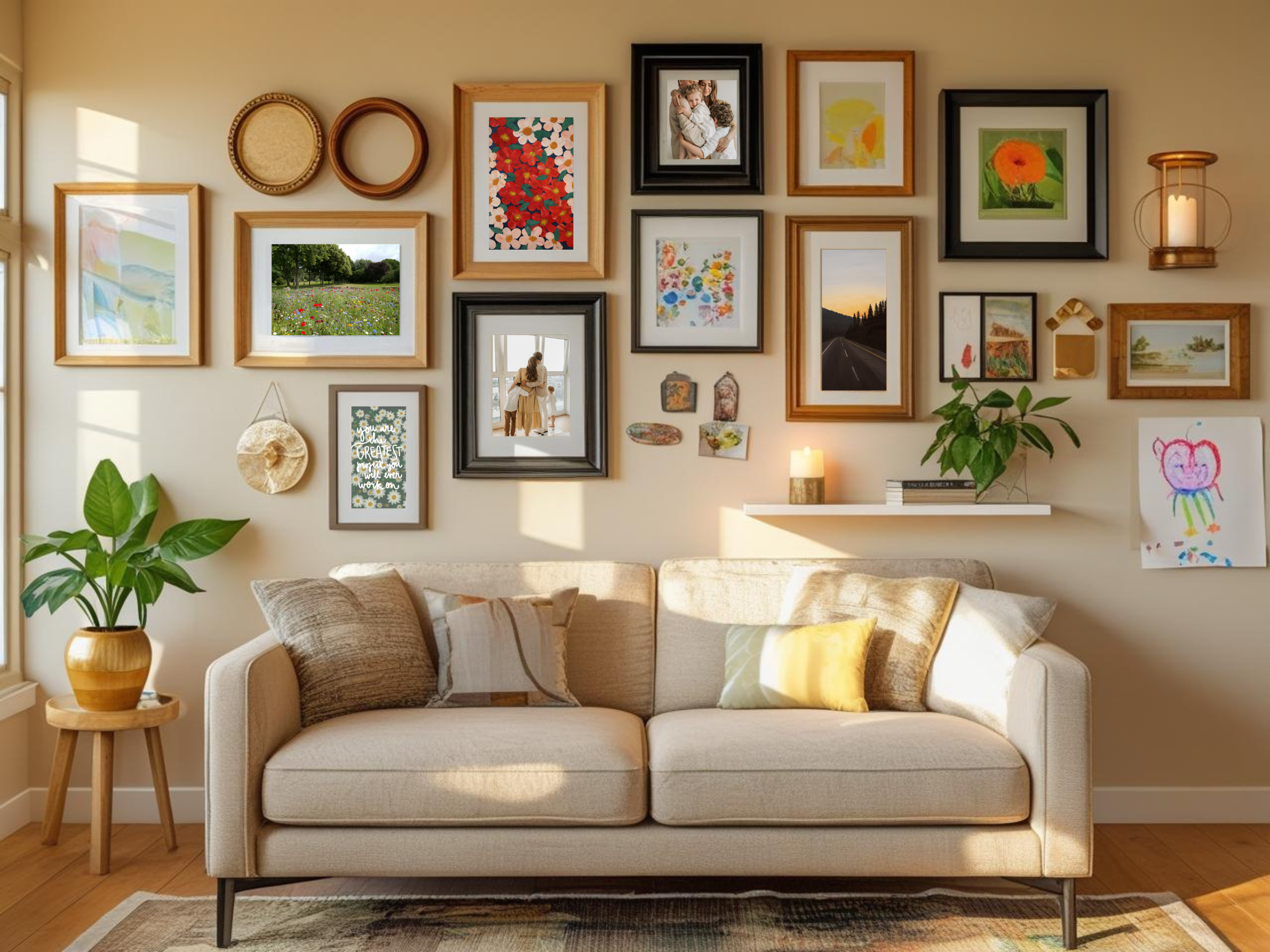
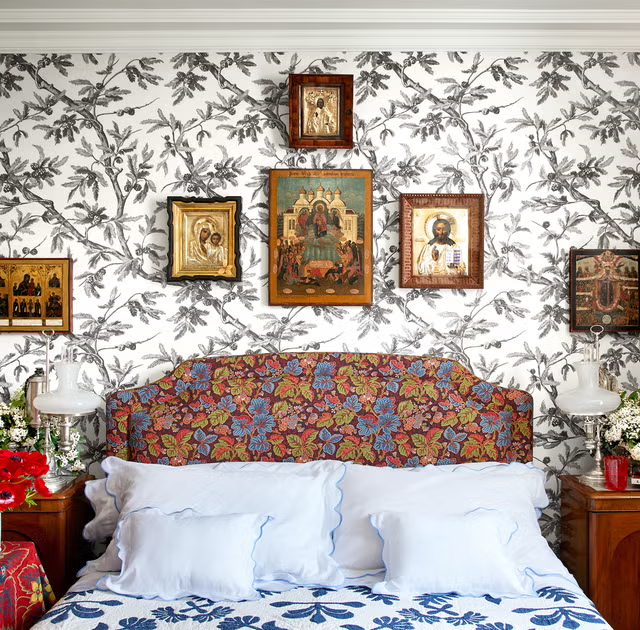
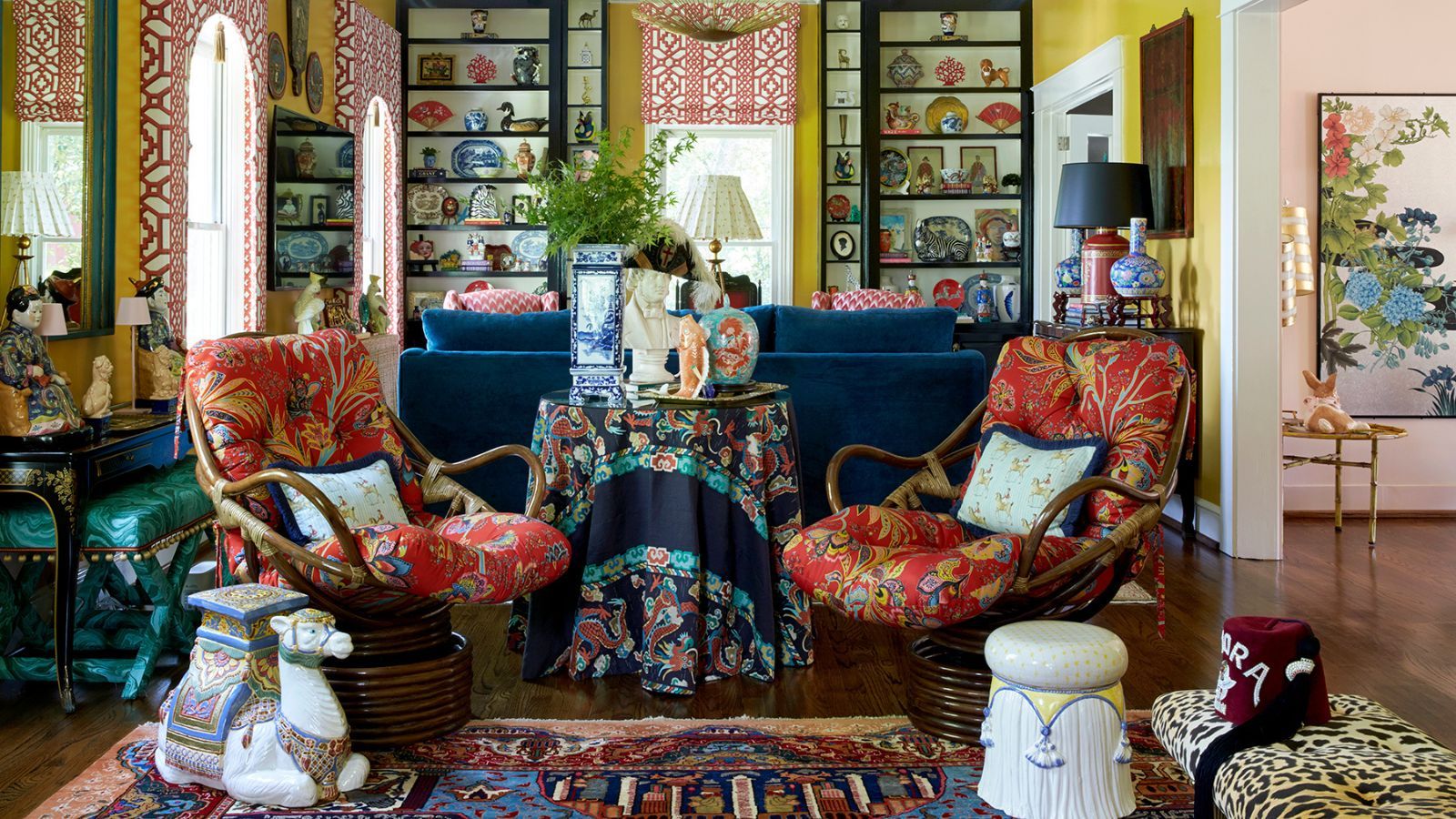
Close your eyes and think of the coziest room you’ve ever been in. What are you remembering? It’s almost never the furniture first. It’s the light. The warm glow of a table lamp on a rainy afternoon. The flicker of candlelight across a dinner table. The soft, diffuse brightness of a room bathed in morning sun.
We have been sold a catastrophic lie about lighting: that its primary job is to make things visible. So we stick a single, blinding fixture in the center of the ceiling, flip the switch, and call it a day. We’ve illuminated the room, but we’ve murdered its mood. We’ve traded atmosphere for audit-level brightness.
But light is so much more than utility. Light is the invisible architect of your space. It defines shape, creates volume, dictates emotion, and tells your eyes where to go. It can make a room feel spacious or intimate, energizing or serene, cheap or luxurious. Good lighting isn’t a finishing touch; it’s the foundational layer of experience. Let’s learn to paint with photons.
Part 1: The Anatomy of Light: Understanding Your Tools
To sculpt with light, you must first understand its properties.
- Color Temperature (Measured in Kelvins, K): This is how “warm” (yellow/orange) or “cool” (blue/white) the light appears.
- 2700K – 3000K: Warm White. The golden glow of sunrise, sunset, or an old incandescent bulb. This is the range of coziness, relaxation, and intimacy. Use it everywhere you want to feel at ease: living rooms, bedrooms, dining rooms.
- 3500K – 4000K: Neutral White. A clean, clear light. Good for task areas where you need to see accurately without sterility: kitchens, bathrooms, home offices, garages.
- 5000K – 6500K: Daylight. The harsh, blue-white light of a noon sun. Rarely use this inside. It feels clinical, increases alertness (disrupting sleep), and makes skin tones look awful. It’s for workshops, maybe.
- The Golden Rule: Stick to 2700K-3000K for 90% of your home.
- Brightness & Dimming (Measured in Lumens): More lumens = brighter light. But the true magic is in the dimmer switch. Non-negotiable. Light should be adjustable to match the time of day and the desired mood.
- CRI (Color Rendering Index): On a scale of 0-100, this measures how accurately a light source reveals the true colors of objects. Sunlight is 100. A cheap bulb might be 70, making your red sofa look brown. Always buy bulbs with a CRI of 90+. It’s the difference between vibrant and dingy.
Part 2: The Three-Layer Symphony: The Professional’s Playbook
Forget the single overhead light. Beautiful lighting is built in three distinct, harmonious layers. Think of them as instruments in an orchestra.
Layer 1: Ambient Light (The Foundation)
This is the general, background illumination that keeps you from stumbling. It should be soft, diffuse, and shadowless.
- The Enemy: The single, central “boob light” or harsh recessed cans. They create a flat, unflattering glare.
- The Heroes: Light that is bounced off surfaces.
- Wall Sconces washing light upward or downward.
- Cove Lighting (hidden LED strips in molding).
- Floor Lamps with Upward Shades.
- The “Big Bounce”: A floor lamp aimed at the ceiling or corner.
Layer 2: Task Light (The Purpose)
This is focused, bright light for doing specific things: reading, cooking, working, applying makeup.
- The Rule: Light the task, not the room. It should come from the side or front to prevent shadows.
- The Heroes:
- Adjustable desk lamps (like an architect’s lamp).
- Under-cabinet lighting in the kitchen (non-negotiable for eliminating counter shadows).
- Swing-arm wall lamps beside a bed or reading chair.
- Focused pendants over a kitchen island or dining table.
Layer 3: Accent Light (The Drama)
This is the storyteller. It creates visual interest, highlights architecture, and adds sparkle.
- Its Job: To draw your eye to what you love.
- The Heroes:
- Picture lights over art.
- Track lighting or adjustable recessed spots to “graze” a textured wall or spotlight a sculpture.
- In-cabinet lighting to make glassware glow.
- Wall-washing to make a wall recede.
- Candles & Fairy Lights: Organic, flickering life.
The Magic Formula: A well-designed room uses ALL THREE LAYERS, controlled by dimmers, to create a fully sculpted, adaptable environment.
Part 3: The Direction of Drama: How Light Shapes Space
Where you place light changes how we perceive architecture.
- Downlighting: Creates focused pools. Can feel theatrical but also creates harsh shadows (the “cave effect”).
- Uplighting: Bounces light off the ceiling, making it feel higher and the room more spacious. Feels airy and diffuse.
- Front Lighting: Illuminates faces and objects evenly (good for bathroom mirrors).
- Backlighting: Creates silhouettes and drama. Backlighting a shelf or a headboard creates a magical halo.
- Grazing: Placing a light 6-12 inches from a textured surface (brick, stone, shiplap) exaggerates every groove, turning the wall into sculpture.
- Washing: Flooding a wall with even light makes it recede, making a small room feel larger.
Part 4: The Room-by-Room Lighting Prescription
The Living Room: The Mood-Setting Hub
- Kill the Overhead. Decommission the ceiling fixture for daily use.
- Create a “Triangle of Light.” Place three light sources in a triangle around your main seating area (e.g., a floor lamp, a table lamp, a sconce). This creates balanced, flattering light for conversation.
- Highlight the Hero: Use an accent light on your fireplace, art, or bookshelf.
- The Dimmer is King.
The Kitchen: The Functional Studio
- Ambient: Dimmable overheads.
- Task: UNDER-CABINET LIGHTING. The single most important kitchen upgrade. Also, pendants over the island.
- Accent: In-cabinet lighting, toe-kick lighting for a floating effect at night.
The Bedroom: The Sanctuary of Rest
- Banish Blue Light: 2700K only. No exceptions.
- Bedside Basics: Each side needs its own dedicated, dimmable light—wall-mounted sconces or swing-arm lamps. They free up nightstand space.
- Ambient Glow: A floor lamp in a corner with an upward shade.
The Bathroom: The Flattering Studio
- Vanity Victory: The worst light is a single bulb above the mirror. It casts horrific shadows. The ideal is sconces or vertical strips on both sides of the mirror, at eye level.
- Ambient: A dimmable, water-rated ceiling light.
- Accent Spa: A small, dimmable LED candle for night visits.
Conclusion: You Are the Choreographer of Light
Lighting your home is not a finishing touch. It’s the fundamental choreography of how you experience your space. It’s the difference between seeing your home and feeling it.
Start tonight. Turn off the big overhead. Plug in a floor lamp. Light a few candles. See how the room transforms—how corners soften, textures emerge, and the atmosphere becomes something you can almost hold.
Your assignment is simple: Go room by room and ask:
- Do I have all three layers (ambient, task, accent)?
- Are my bulbs warm (2700K) and high-CRI?
- Are there dimmers?
- Is light coming from multiple directions to sculpt the space?
You are not just installing fixtures. You are designing the very air your life happens in. Sculpt it with shadows. Paint it with glow. Build your sanctuary, one beam of light at a time.
FAQs: Your Lighting Design Questions
Q1: I’m in a rental and can’t rewire. What can I do?
A: You have enormous power with plug-in solutions.
- Ambient Light: Torchiere floor lamps that bounce light off the ceiling. Plug-in wall sconces that hang over a picture hook (no hardwiring).
- Task Light: Classic table lamps and plug-in swing-arm wall lamps.
- Accent Light: Battery-operated LED puck lights for shelves, plug-in picture lights.
- The Ultimate Hack: Smart plugs or smart bulbs. Put any lamp on a smart plug to control/dim it with your phone. Smart bulbs (like Philips Hue) can change color temperature and be dimmed without changing the fixture.
Q2: How many lights is “too many” for one room?
A: There’s no magic number. The rule is: Can you control them independently to create different scenes? A living room might have 8 light sources (2 floor lamps, 2 table lamps, 2 sconces, a hidden LED strip, a picture light). But if they’re on separate dimmers, you can create a “reading scene” (just one floor lamp), a “dinner party scene” (sconces and table lamps at 70%), or a “movie scene” (just the LED strip at 10%). It’s about flexibility, not quantity.
Q3: My house has those awful recessed “can” lights everywhere. How do I fix it?
A: First, ensure the bulbs inside are 2700K, high-CRI, and on a dimmer. Then, think of them as your ambient base layer and work around them.
- Add plug-in lamps (floor and table) at human height to bring light down into the room.
- Use directional “gimbal” or “eyeball” trim in the cans to aim light at walls or art, turning them into accent lights.
- In some areas (like over a sofa), you can simply leave the cans off and build your lighting scheme entirely with lamps.
Q4: How do I light a dark, windowless hallway or bathroom?
A: The goal is to make it feel intentional and atmospheric, not like a cave.
- Embrace the Glow: Use multiple wall sconces at intervals to create a rhythmic, inviting path of light.
- Go Dramatic: Paint it a deep, rich color and use focused sconces to create pools of light—it becomes a dramatic gallery passage.
- Mirror Trick: In a windowless bath, a large mirror will reflect and double whatever light sources you have. Light the mirror well from the sides.
Q5: What’s the single most effective change I can make today?
A: Turn off all non-human notifications on your phone. Go to Settings and disable badges, sounds, and banners for social media, shopping, and news apps. Leave on only calls and texts from actual people. This simple act severs the algorithm’s ability to interrupt your life on its schedule. You’ll immediately see how often you’re being nudged and reclaim a fundamental piece of your attention.