For generations, tinkering in the garage was a rite of passage. Changing your oil, swapping brake pads, even rebuilding an engine—these were acts of independence, skill, and thrift. Your car was yours to understand, to maintain, to modify. But try to plug a generic diagnostic tool into a 2023 vehicle. You might be met with a wall of encrypted error codes. Try to buy a replacement part from anyone but the dealer, and you may find it electronically locked to your car’s VIN.
Welcome to the Right-to-Repair war, the biggest consumer fight you’ve never heard of, happening under the hood of your car. It’s a battle between ownership and access, between the principle that you should be able to fix what you own and the modern reality that manufacturers want to control the entire repair ecosystem. This isn’t about nostalgia for greasy hands; it’s about your wallet, your freedom, and the very nature of property in the 21st century.
Part 1: The Battlefield: What “Right-to-Repair” Actually Means
At its core, the Right-to-Repair (R2R) movement demands that manufacturers provide the tools, information, software, and parts necessary for consumers and independent repair shops to fix their products. For cars, this boils down to a few critical things:
- Access to Diagnostic Software and Codes: The computer that runs your car generates proprietary fault codes. Without the manufacturer’s software, an independent mechanic is flying blind.
- Access to Repair Manuals and Schematics: How does a specific module come out? What’s the torque spec for that bolt? This information is often guarded.
- Availability of Parts: Being able to buy original equipment manufacturer (OEM) parts from sources other than the dealership.
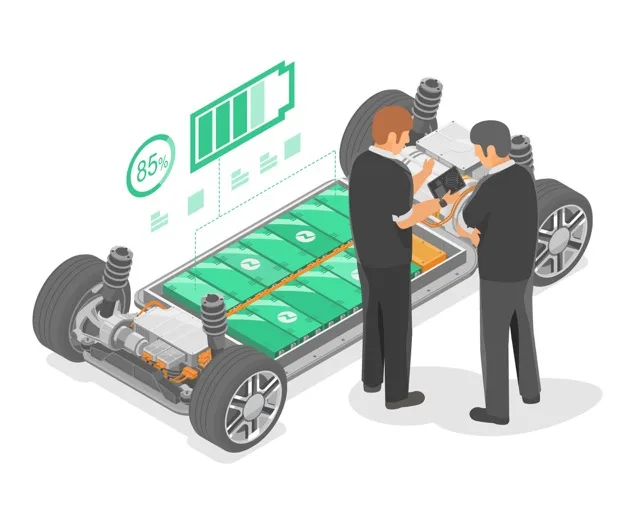
- The Ability to Pair New Parts to the Car: Modern cars use a practice called “parts pairing.” A new infotainment screen, a battery module, or even a door handle might need to be digitally authenticated by the manufacturer’s cloud server before the car will accept it.
When manufacturers withhold these things, they create a repair monopoly. You are forced to go to their dealership network, where labor rates are often 50-100% higher than at your trusted local mechanic.
Part 2: The Manufacturer’s Playbook: The “Walled Garden” of Repair
Why would automakers restrict repairs? They call it “protecting safety, security, and intellectual property.” But follow the money.
- The Profit Center: Dealer service departments are incredibly profitable. By locking out independents, manufacturers guarantee a steady stream of high-margin repair business for their franchise network.
- Data Control: Your car’s repair data is valuable. By controlling the repair pipeline, manufacturers get a complete picture of what fails and when, data they don’t have to share with anyone.
- The “Safety” Shield: This is the most potent argument. Manufacturers claim that only their certified technicians, using their proprietary tools, can ensure a complex, software-driven vehicle is repaired safely. They argue that letting “amateurs” access systems like ADAS (Advanced Driver-Assistance Systems) could lead to deadly failures.
The result is a “walled garden.” You own the physical car, but the manufacturer owns the digital keys to its functionality. You have the shell, but they control the soul.
Part 3: The Real-World Impact: More Than Just a DIY Dream
This fight isn’t just for hobbyists. It affects everyone.
- Your Wallet: Dealer-only repairs are expensive. A study by the Auto Care Association found repair costs are significantly higher in areas without competitive independent repair options. This also hurts insurance rates and resale values.
- Rural America & “Repair Deserts”: There are over 6,000 car dealerships in the U.S., but there are over 170,000 independent repair shops. For millions of Americans in small towns, the local independent shop is the only option. If that shop can’t get the tools or parts, residents face a 100-mile tow to the nearest dealer.
- The Independent Mechanic’s Extinction: A whole sector of skilled, small-business owners is being threatened with obsolescence because they can’t access the basic information needed to do their jobs.
- Environmental Waste: When a minor module fails but can’t be repaired or replaced cheaply, the entire car may be scrapped earlier. “Parts pairing” turns functional components into e-waste if they can’t be digitally remarried to a new vehicle.
Part 4: The Trenches: Where the Fight is Being Won (And Lost)
The war is playing out in courtrooms, legislatures, and farm fields.
- The Tractor Precedent: The fight ignited not with cars, but with John Deere tractors. Farmers, who rely on their equipment for their livelihood, were locked out from repairing their own multi-million-dollar machines. Their furious advocacy brought national attention to the issue and led to…
- The “Right-to-Repair” Memorandum: In 2021, President Biden signed an executive order encouraging the FTC to curb unfair anti-competitive repair restrictions. This was a major political win for the movement.
- State-Level Laws: Massachusetts has been a pioneer, passing strong automotive right-to-repair laws by ballot initiative. The industry is fighting these laws in court, arguing a patchwork of state regulations is unworkable.
- The “2023 Data Access Agreement”: Under pressure, a group of major automakers (via their alliance, the Alliance for Automotive Innovation) signed a voluntary agreement to provide some diagnostic and repair data to independent shops through a standardized, fee-based platform by the 2024 model year. Skeptics call this a stalling tactic, noting it’s voluntary, doesn’t cover all data (like cybersecurity-related info), and doesn’t solve the “parts pairing” issue.
Conclusion: Do You Really Own It If You Can’t Fix It?
The right-to-repair debate cuts to the heart of modern ownership. We are moving from an economy of products to an economy of licensed access. You may possess the physical object, but the manufacturer retains control over its function and its lifespan.
For the car—a symbol of personal freedom and autonomy—this is a profound shift. The open road is now gated by digital locks, and the keys are held by the corporation that sold you the vehicle.
As a consumer, you have power:
- Be Informed: When buying a car, ask about repair restrictions. Will your local mechanic be able to work on it?
- Support Right-to-Repair Legislation: Follow organizations like the Repair Association and support political candidates who back these principles.
- Vote with Your Wallet: Consider manufacturers with more open stances on repair (some EV startups are touting this). The market will respond to demand.
The smell of oil and the satisfaction of a fixed engine shouldn’t become a relic of the past. They should remain a right of the present—a right that ensures we truly own the machines that move our lives.