For over a century, the car’s heart was mechanical: pistons, valves, and horsepower. The soul of a car was its engine note, the feel of the road through the steering wheel, the mechanical connection between man and machine. But a silent, profound revolution is happening under the sheet metal. The mechanical heart is being augmented—and in some cases, replaced—by a digital soul.
The most important part of your next car won’t be the size of its engine. It will be the power of its onboard computer, the sophistication of its software, and the speed of its connectivity. We are shifting from an era of automotive engineering to an era of automotive computing. The car is no longer just a vehicle; it’s becoming a smartphone on wheels. This is the story of how lines of code are rewriting the rules of the road.
Part 1: The New Chassis: The Software-Defined Vehicle (SDV)
For decades, a car’s features were locked in at the factory, defined by its hardware. Want better headlights, a smoother ride, or a more efficient powertrain? You had to buy a new car.
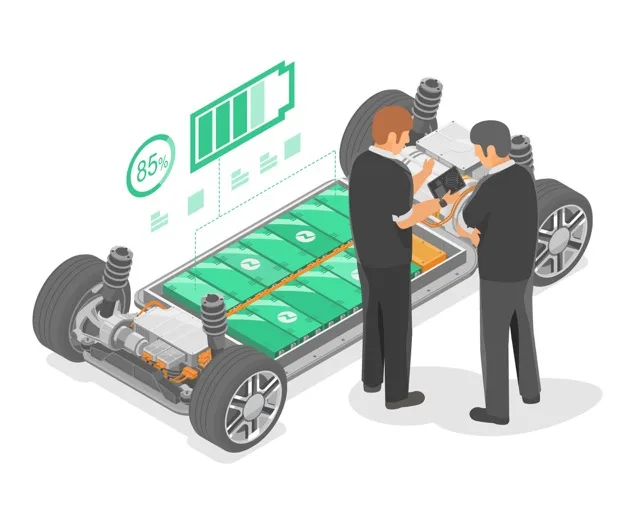
The Software-Defined Vehicle (SDV) changes this. Its core functions—from the drivetrain and brakes to the infotainment and climate control—are managed by centralized, high-performance computers (often called domain controllers) that run on millions of lines of code. This architecture allows for a fundamental shift:
- Over-the-Air (OTA) Updates: Like your phone, the car can improve over time. Tesla pioneered this, adding features like “Dog Mode,” performance boosts, and improved battery range via software updates long after purchase. Legacy automakers are now racing to catch up.
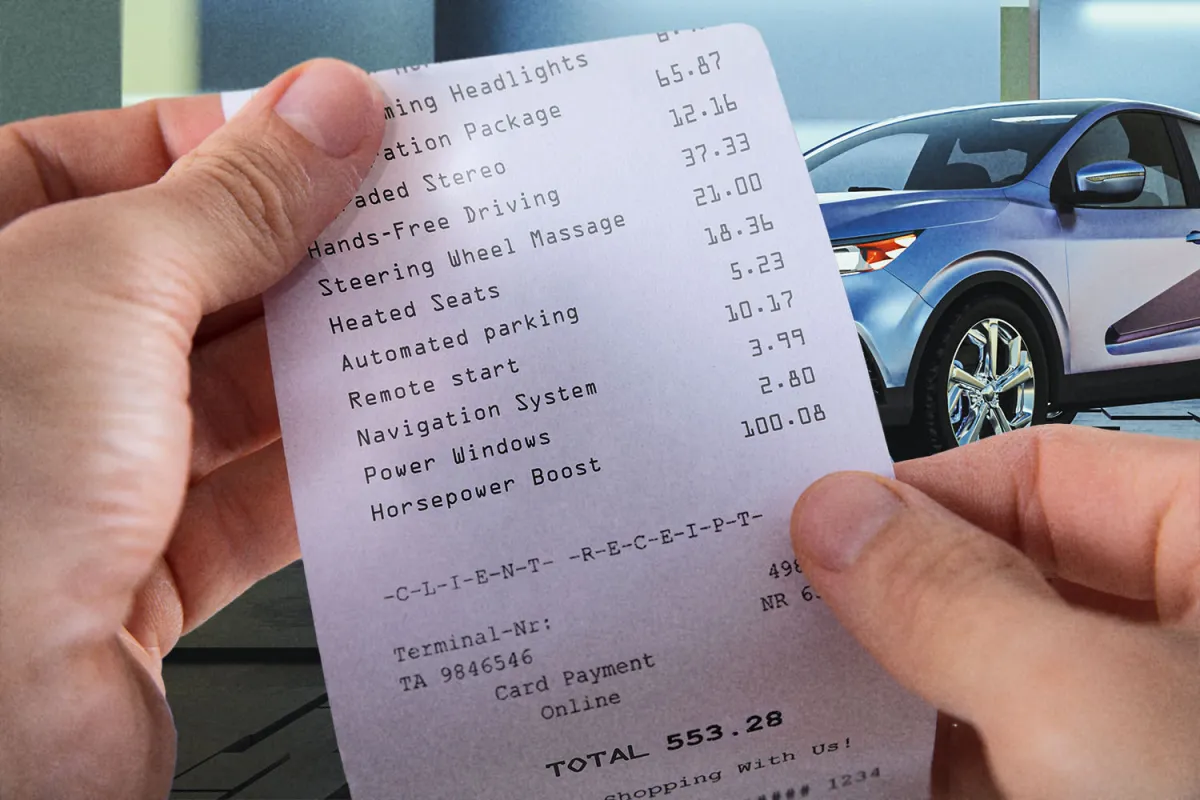
- Feature-on-Demand: Want heated rear seats for a ski trip? A more powerful acceleration boost? Advanced driver-assist features? You might be able to subscribe to them monthly or purchase a one-time unlock via an in-car app store. The hardware is already in the car; the software activates it.
Your car’s capabilities will no longer be static. They will be fluid, updatable, and customizable.
Part 2: The Connected Nervous System: V2X and the “Living Map”
A software-defined car doesn’t exist in a vacuum. It’s part of a connected ecosystem.
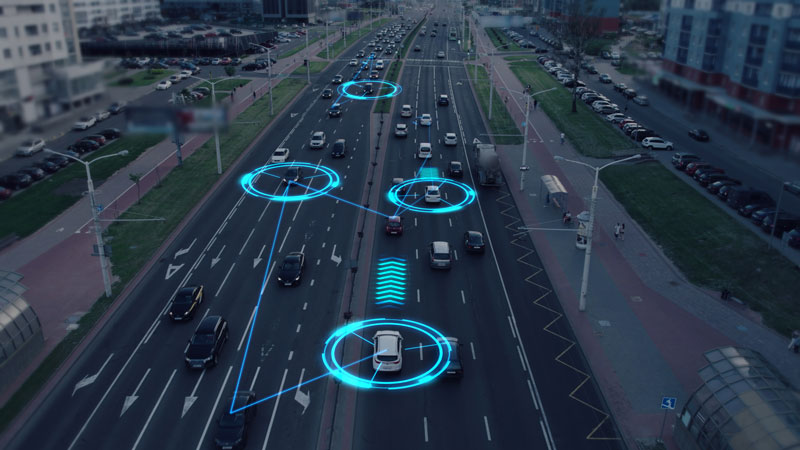
- Vehicle-to-Everything (V2X) Communication: Your car will talk to other cars, traffic lights, road sensors, and even pedestrian smartphones.
- Example: A car several blocks ahead brakes hard. It sends a signal to your car, which pre-charges the brakes and alerts you before you even see the brake lights.
- A traffic light can broadcast its timing, allowing your car to adjust speed to hit a “green wave,” improving traffic flow and efficiency.
- Real-Time, Crowdsourced Data: The collective data from millions of connected cars creates a “living map” far more detailed than any GPS satellite can provide. It knows instantly where potholes have formed, where black ice is developing, and where an accident has just occurred, rerouting all connected vehicles in real-time.
This turns every car into a sensor, creating a collective intelligence that makes driving safer and more efficient for everyone.
Part 3: The Invisible Co-Pilot: ADAS and the Path to Autonomy
The most visible software expression is Advanced Driver-Assistance Systems (ADAS). These are not just features; they are complex software suites processing data from cameras, radar, and LiDAR.
- Adaptive Cruise Control that smoothly handles stop-and-go traffic.
- Lane-Keeping Assist that gently corrects your steering.
- Automatic Emergency Braking that can see a pedestrian you might miss.
These discrete features are the building blocks of autonomous driving. The leap to full autonomy is not a hardware problem—the sensors are largely ready. It is a software and artificial intelligence problem of staggering complexity: creating an AI that can understand and predict human behavior, navigate infinite edge-case scenarios, and make ethical split-second decisions.
The race to autonomy is a software race.
Part 4: The Personalized Cocoon: The Car as a Digital Sanctuary
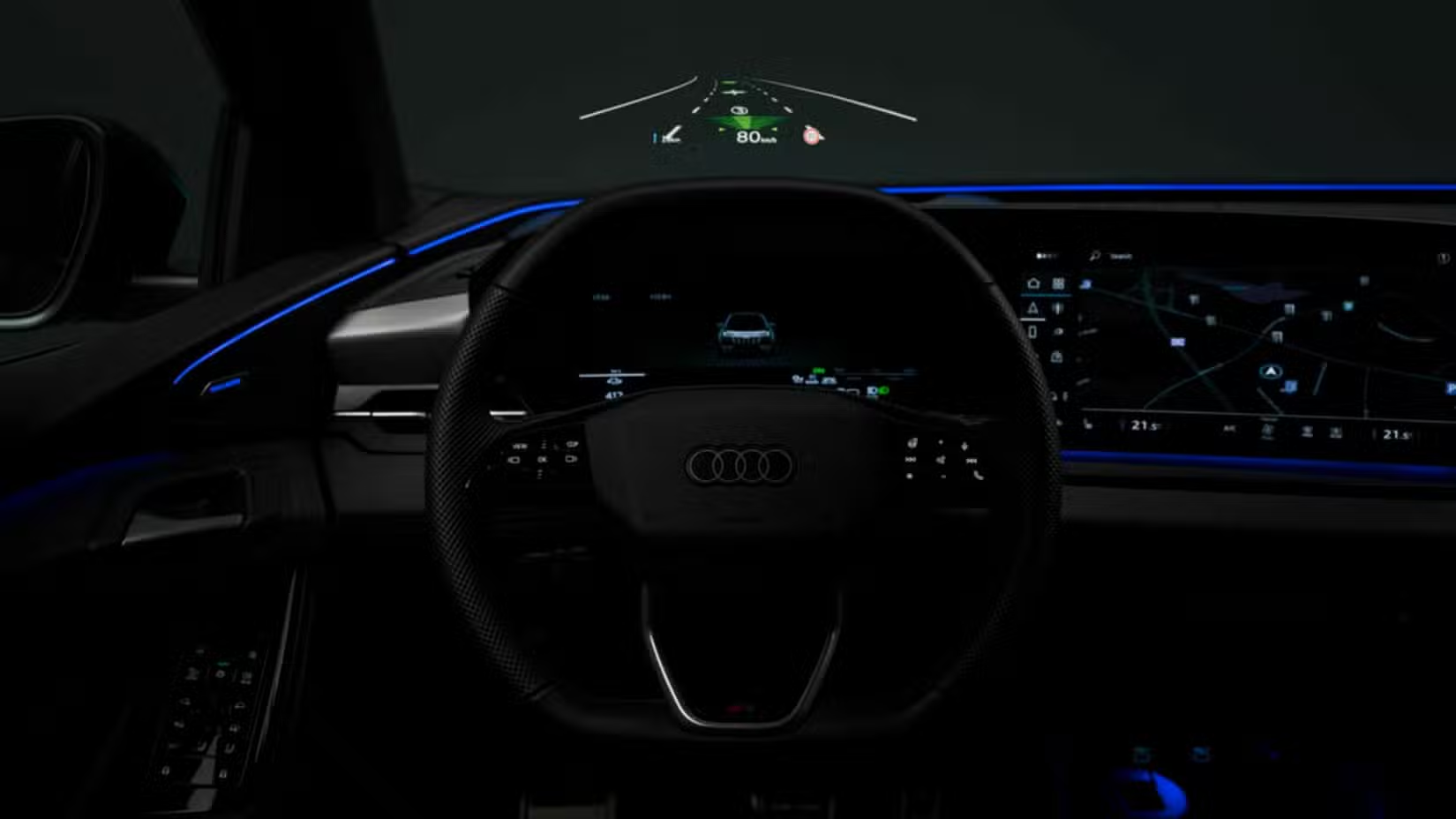
With the driving task increasingly handled by software, the cabin becomes a space for personalization and productivity.
- Profiles: The car recognizes you (via phone, facial recognition, or fob), adjusting the seat, mirrors, climate, music, and even driving dynamics to your preset profile.
- Seamless Ecosystem Integration: Your digital life flows in. Your calendar suggests departure times. Your podcasts resume where you left off. Your phone’s navigation is mirrored on the dashboard. The car is another node in your personal network.
- The “Third Space”: In an autonomous future, the cabin transforms. It becomes a mobile office, a entertainment lounge, or a quiet place to rest. The software manages the environment to facilitate this shift.
Part 5: The Challenges: Bugs, Security, and Ownership
This software revolution brings new kinds of headaches.
- “Blue Screen of Death… On the Highway”: Software has bugs. A glitch in a powertrain controller is far more dangerous than a glitch in your word processor. Rigorous testing and redundancy are matters of life and death.
- The Hacker on the Highway: A connected car is a computer on wheels, and computers can be hacked. Cybersecurity is now a critical part of automotive engineering, requiring “ethical hackers” to constantly probe for vulnerabilities.
- Who Owns Your Car’s Data? The software generates terabytes of data about how, where, and when you drive. This data is immensely valuable. Who owns it—you or the manufacturer? How is it used and protected?
Conclusion: The Downloadable Driver
We are at an inflection point. The value of a car is decoupling from its metal and moving into its code. The future belongs not to the company with the best transmissions, but to the company with the most robust, secure, and intelligent software architecture.
Your next car will be judged not by its 0-60 time, but by its update cycle, its connectivity bandwidth, and the intelligence of its algorithms. It will be a platform that evolves, a student of your habits, and an intelligent participant in the traffic ecosystem.
The soul of the car is no longer under the hood. It’s in the cloud, being refined by teams of software engineers, and downloaded to your garage while you sleep. The revolution isn’t loud. It’s a silent update, progressing one line of code at a time.